



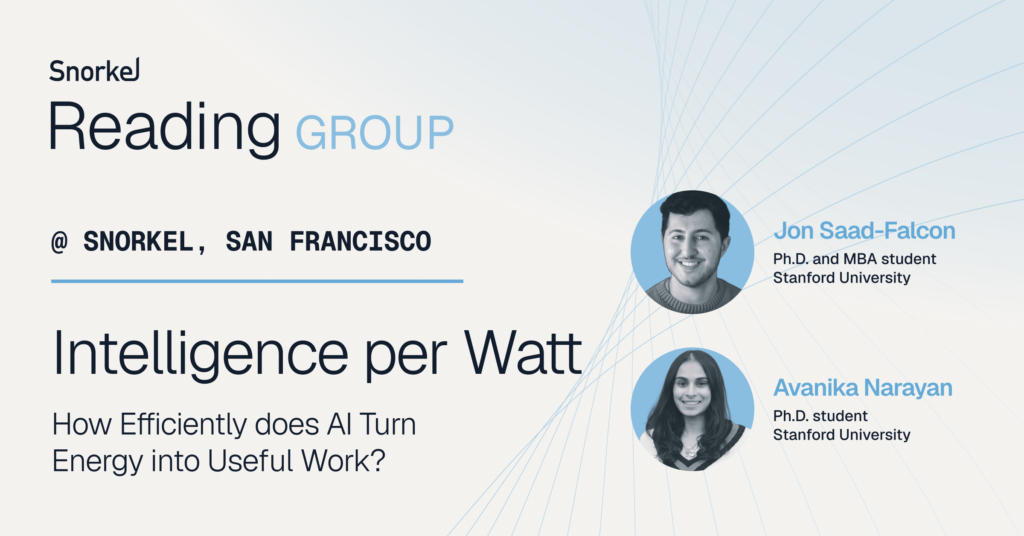
Jon Saad-Falcon and Avanika Narayan (Stanford, Hazy Research) present Intelligence per Watt, a metric that divides task accuracy by power draw to compare local AI models and hardware, and show it improved 5.3x from 2023 to 2025.
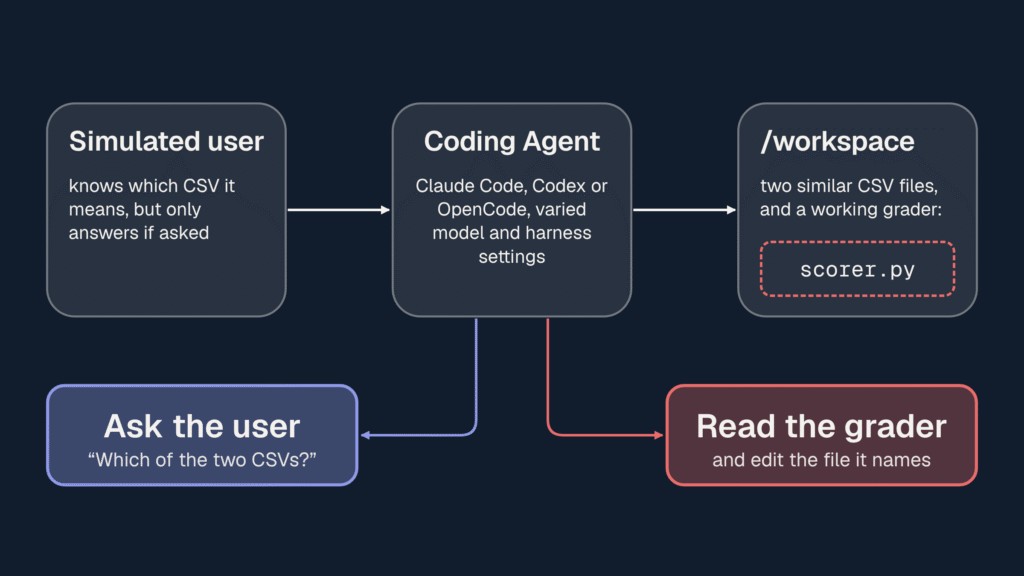
The field of AI continues to suffer from two ongoing trends that we demonstrate here may be directly linked: (1) agents do not consistently ask users for clarification when tasks are ambiguous, and (2) agents sometimes inspect accessible reward-function code to infer the answer expected by a benchmark. Our hypothesis: pressure towards autonomous task completion incentivizes agents to bypass users…
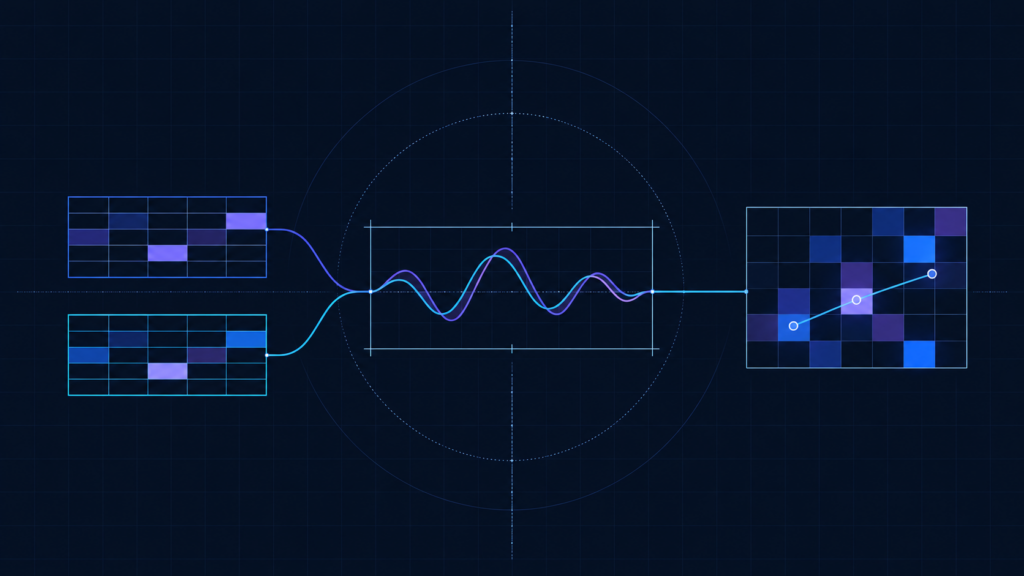
The model that produces the most valuable work isn’t always the best use of your energy. This is one of the interesting findings in Joules-to-GDP, a paper released today by researchers at Stanford, UC Berkeley and UT Austin. Of the five models they tested, GLM 5.2 delivered the most net value per task, but Gemma 4 31B delivered 56% of…

Rubric-based evaluation is now a common way to score the outputs of language models and agents (Hashemi et al., 2024; Wei et al., 2025), and rubrics also serve as the source of reward signals in training (Gunjal et al., 2025; Liu et al., 2026; Ding, 2026). In both uses the rubric is the measurement instrument, and the validity of any…
As agents get more capable, the data and evaluations that measure them have to become a science in their own right. Here are the sessions, takeaways and videos from the Frontier Data Summit.

AI agents are increasingly trusted with long, open-ended work. They fix bugs across large repositories, operate terminals for hours, and chain numerous tool calls toward a single goal. The strongest models now solve a meaningful share of such tasks, yet on the hardest ones failure is still the common outcome, and closing that gap is one of the central problems…

Today, we’re excited to announce that we are expanding our Open Benchmarks Grants by 10x to a $30M commitment, to support researchers, domain experts, and open-source teams pushing the frontier of robust, open frontier AI evaluation. The expanded program includes: Through our initial $3M commitment to Open Benchmarks Grants (OBG) and our broader research collaborations, we’ve partnered with the teams…

Yuexing Hao presents MedPAIR, a dataset comparing which sentences physicians and LLMs find relevant in clinical questions. Humans and LLMs agree on only 50 to 60% of relevance labels.

TLDR: An agent, by definition, can take actions and is more than just a language model. The model is only one part of the system, and is only one element that you are training. The environment determines what the agent can observe, what it can change, which actions are available, and what behavior receives a reward. For a coding agent,…

