


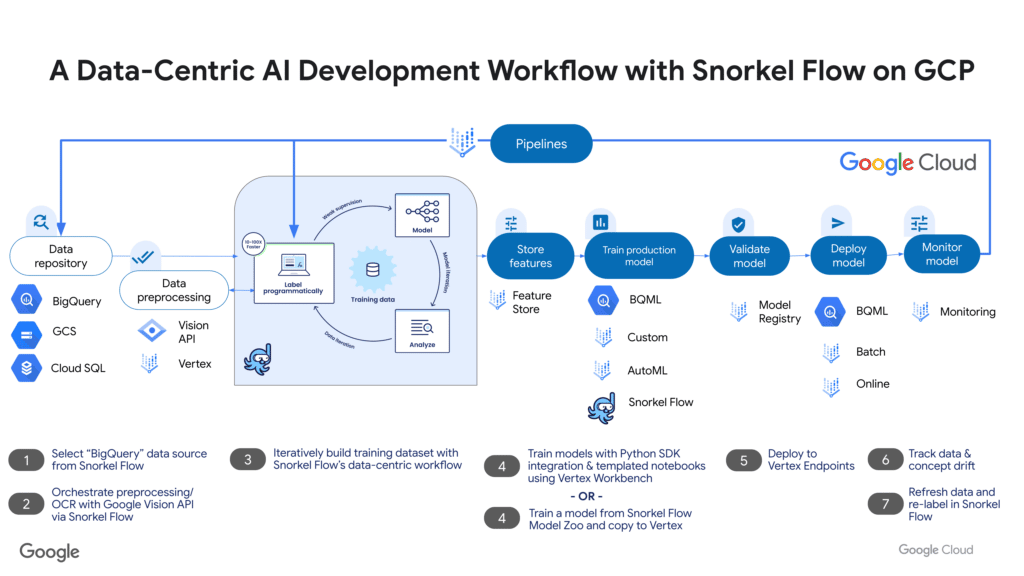
Snorkel AI is teaming up with Google Cloud to help F500 companies and AI innovators solve their most difficult problems.
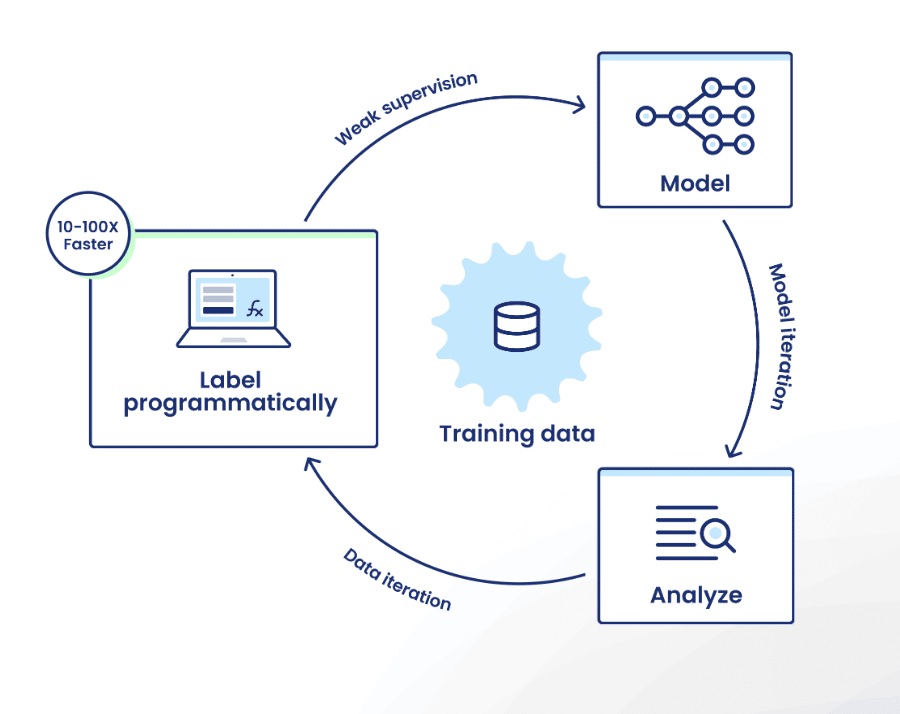
As machine learning practitioners, few of us would expect the first version of a new model to achieve our objective. We plan for multiple rounds of iteration to address errors and improve performance, and the Snorkel Flow platform provides tools to enable this kind of iteration within the data-centric AI framework.

Together, Snorkel AI and Seldon enable enterprises to adopt AI across the business at scale by dramatically accelerating development and deployment and tightening the feedback loop to rapidly respond to data drift or changing business requirements.
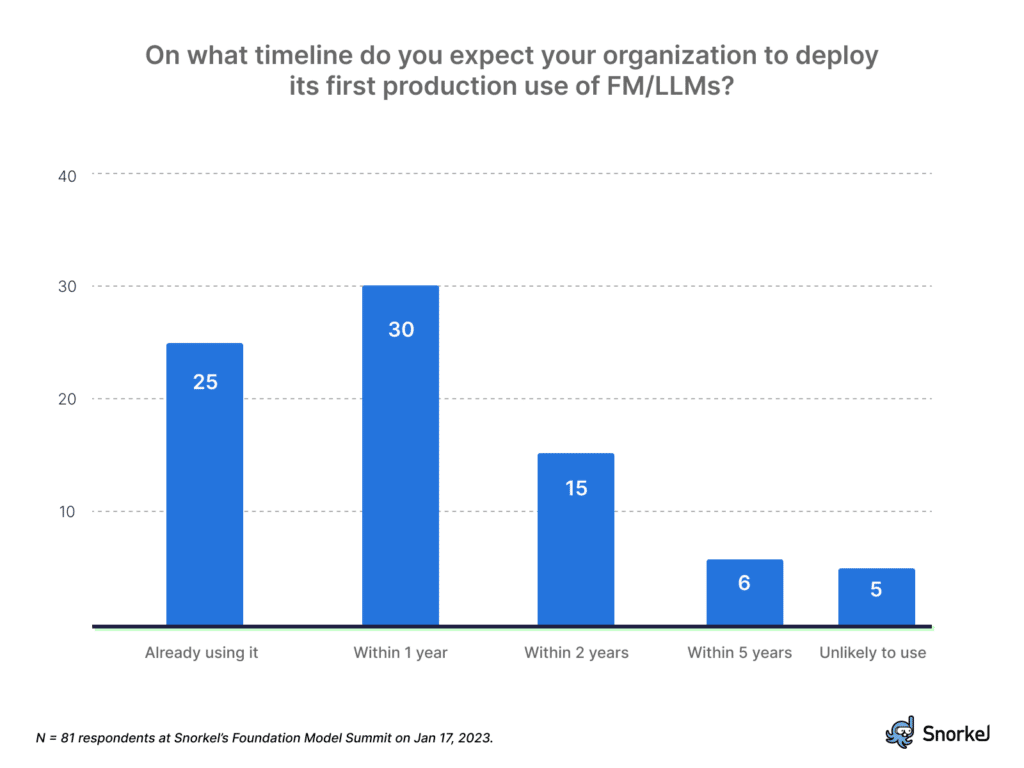
Most poll respondents at Snorkel AI’s recent Foundation Model Virtual Summit named questionable accuracy as the biggest barrier preventing them from getting organizational value from Foundation Models.

Snorkel CEO Alex Ratner interviews Mayee Chen about how Liger improves the effectiveness of programmatic labeling through foundation model embeddings.

Snorkel AI has teamed with Snowflake to help our shared customers transform raw, unstructured data into actionable, AI-powered insights.

Hamsa Bastani presented a summary of her and her co-authors’ ongoing work using machine learning and Snorkel AI’s tools to detect and track activities that are associated with a high risk for global sex trafficking.

Snorkel AI co-founder and CEO Alex Ratner recently interviewed several Snorkel researchers about their published academic papers. In this video, Alex talks with Ryan Smith, Senior Applied Scientist at Snorkel, about the work he did on using foundation models to build compact, deployable, and effective models.

Snorkel AI held its Foundation Model Summit Jan 17, bringing together 12 presenters and over 600 attendees at 10 virtual sessions. The event drew registrants from across many sectors, including the tech industry, healthcare, and financial services.

