


Main takeaways from The Future of Data-Centric AI Event
We recently hosted The Future of Data-Centric AI, where academia, research, and industry experts and practitioners came together to discuss the shift from model-centric AI development to data-centric AI and what lies ahead. This post gives you a quick overview of the event and top takeaways from over eight hours of insightful presentations. But first, I want to thank our presenters: Alex Ratner, Anima Anandkumar, Andrew Ng, Chris Re, Ce Zhang, Chelsea Finn, Darío García-García, Imen Grida Ben Yahia, James Zou, Justin Gottschlich, Michael DAndrea, Roshni Malani, Sharon Li, Skip McCormick, and Xu Chu. We also want to thank all the attendees who took part in the discussion and helped us make this community event a big success.Top Takeaways:
- Data-centric AI is being applied in real-world settings and yields results, as we saw in Imen and Michael, Justin, and Andrew’s presentations.
- There is significant research being carried out on Data-centric AI, some that you heard from James, Sharon, Ce, and Chelsea, and we have been doing as well with our research team.
- Data-centric AI, along with an SME collaboration and programmatic labeling, makes AI practical.
If you’d like to continue to get updated on what we are doing at Snorkel AI, our focus on data-centric AI, and to continue to explore the community-focused shift that data has to be a first-class core citizen for AI workflows, please consider signing up for the Snorkel AI community.Below is the complete event stream with link tags for each talk:
Stay in touch with Snorkel AI, follow us on Twitter, LinkedIn, Facebook, Youtube, or Instagram, and if you’re interested in joining the Snorkel team, we’re hiring! Please apply on our careers page.
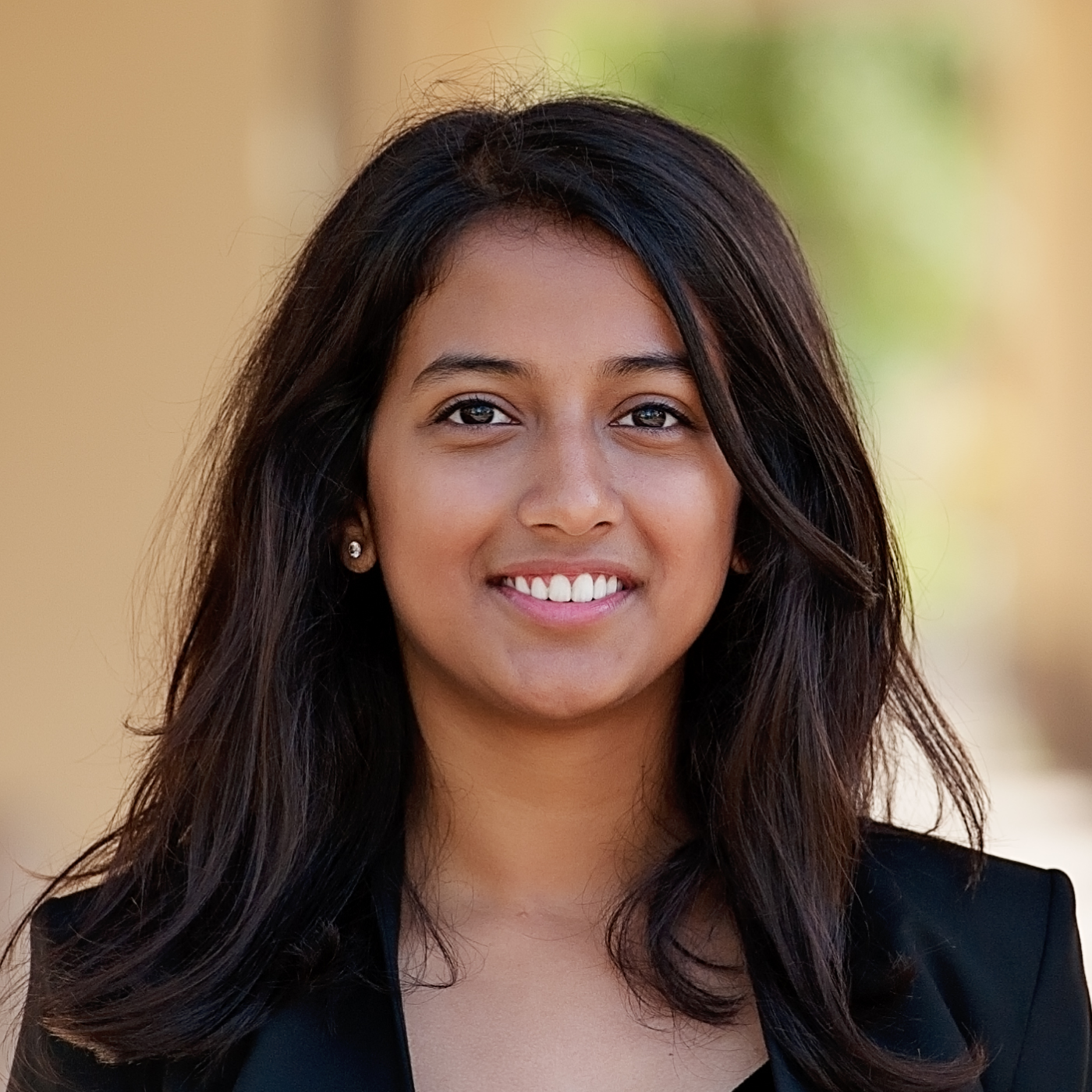
Aarti Bagul
Head of ML Field Engineering
Aarti is the principal ML solutions engineer at Snorkel AI, where she leads a team of solutions engineers and collaborates with some of the company’s largest clients. Prior to joining Snorkel, she worked closely with Dr. Andrew Ng in various roles. She contributed to building ML companies from the ground up at AI Fund, both internally and through investments. She served as a machine learning engineer at his startup Landing AI, was the head TA for his deep learning class (CS230) at Stanford, and worked in his research lab at the university. Most recently, she played a key role in developing an updated version of Ng’s popular machine learning course, which has been taken by over 300,000 learners.
Recommended articles
View all articles

MedPAIR: Measuring Whether Physicians and AI Agree on What Matters in Medical QA
Yuexing Hao presents MedPAIR, a dataset comparing which sentences physicians and LLMs find relevant in clinical questions. Humans and LLMs agree on only 50 to 60% of relevance labels.
October 2, 2026
•
Snorkel Team

RL environments for LLM agents: Design, rewards, and validation
TLDR: An agent, by definition, can take actions and is more than just a language model. The model is only one part of the system, and is only one element that you are training. The environment determines what the agent can observe, what it can change, which actions are available, and what behavior receives a reward. For a coding agent,
September 28, 2026
•
,

Opus 5.5 vs Opus 5 vs Fable 5.1: Coding Benchmark Results
We’ve now run three generations of frontier models through the same expert-created terminal-bench style task set: Fable 5.1 in September, Opus 5 in July, and, now Opus 5.5. For this analysis, the task set contained 200 trajectories, of 24 tasks, with every failure traced to a judge-confirmed root cause. A generational climb On the task set, pass@1 is 61.5% for
September 23, 2026
•
,

